
Ishikawa’s Group
Biotechnology Development for Understanding and Treating Psychiatric Disorders
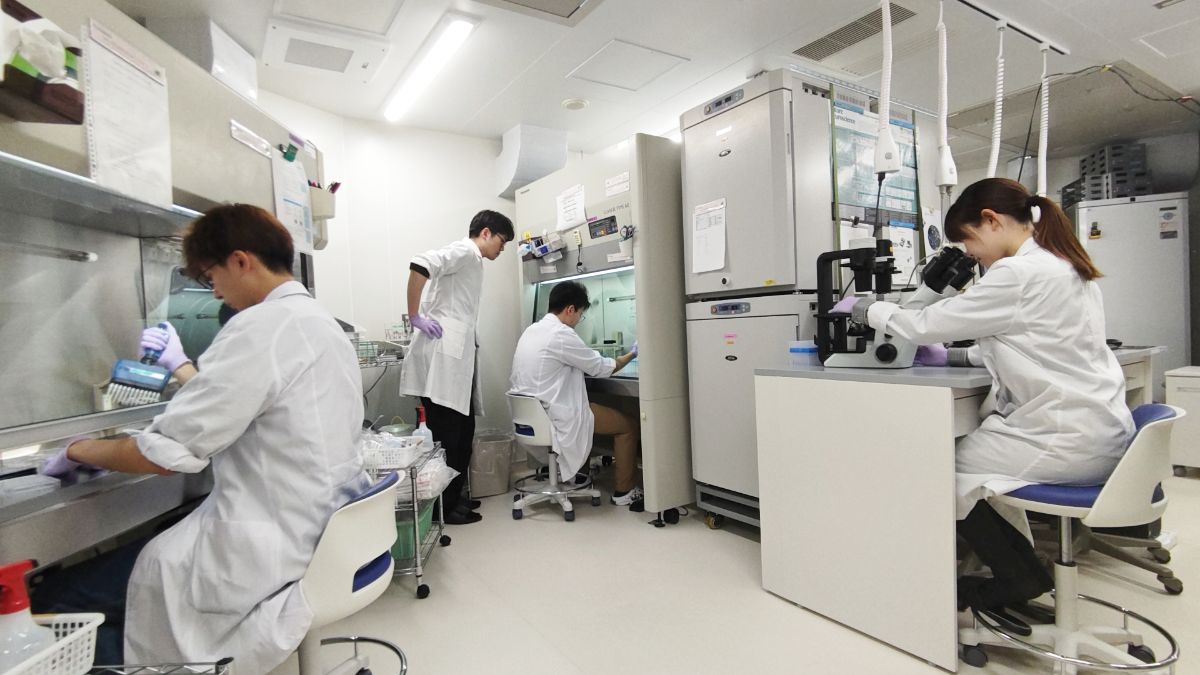
Our laboratory develops biotechnologies that form the foundation for elucidating the pathophysiology of psychiatric disorders and advancing therapeutic strategies. To evaluate neuropsychiatric diseases at the cellular level, it is essential to reproduce disease-relevant neural cells in vitro. This process begins with reprogramming patient-derived cells, such as blood cells, into iPS cells, which are then differentiated into neurons, glial cells, and other neural cell types. In some cases, we introduce disease-related genetic modifications to create cellular models that recapitulate disease phenotypes.
The brain contains an extraordinary diversity of cell types—recent studies have identified hundreds of neuronal subtypes alone—making it critical to determine which specific cell populations are central to psychiatric disease pathology. To this end, we are developing technologies to precisely generate target neural cell types from iPS cells.
Furthermore, evaluating therapeutic targets and treatment strategies for neuropsychiatric disorders requires large-scale screening using multiple samples. We are therefore developing high-throughput systems that leverage technologies to manipulate and visualize neuronal function, enabling efficient testing across numerous cell preparations.
Development of Somatic Cell Differentiation Technologies from Human ES/iPS Cells
Approximately 2 decades have passed since the discovery of iPS cells, yet there is still a pressing need for methods to differentiate pluripotent stem cells into fully mature somatic cells. Many specialized somatic cell types—particularly those believed to play key roles in various neurological disorders—have remained difficult or impossible to produce in vitro.
Our research focuses on generating these previously inaccessible cell types by leveraging transcriptional control technologies via targeted gene delivery, enabling their production in culture dishes for disease modeling and therapeutic research.
Track Record
Kondo T et al, 2023, Int J Mol Sci - Linking abnormal protein accumulation to altered electrophysiological activity in ALS
Ishikawa M et al, 2026, Genes Cells - Rapid generation of MBP-positive cells using engineered transcription factors
SaitoY, Ishikawa M et al, 2025, PNAS - Development of a Neural Transdifferentiation Method Combining Partial Reprogramming and Direct Reprogramming from Peripheral Blood
-
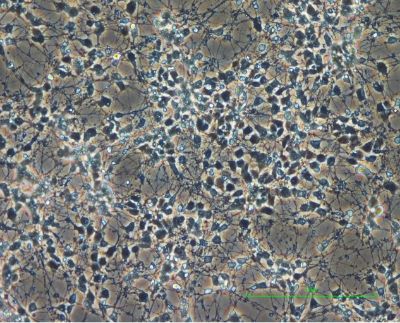 Highly Purified Human Glutamatergic Neurons
-
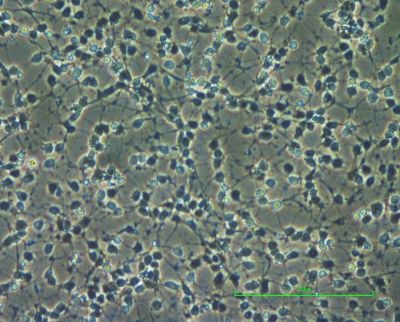 Highly Purified Human GABAergic Neurons
Development of Visualization and Screening Platforms for Monitoring Neuronal Function
Unlike other cell types, neurons are uniquely characterized by their ability to receive, integrate, and transmit information through electrical signals. However, evaluating these electrical properties in a high-throughput manner—especially when working with large numbers of samples or drug candidates—remains challenging.
Our group is developing platform technologies that translate neuronal electrical activity into optical imaging and other measurable formats, enabling efficient visualization and screening of neuronal function at scale.
We are engaged in collaborative research not only across Asia, but also with partners in the US and Europe.
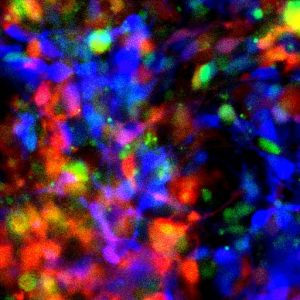
Live imaging of human neurons in vitro: red, glutamatergic neurons; blue, GABAergic neurons; green, intracellular calcium. These signals are monitored over time to evaluate cellular morphology, migration, and activity.