Identification of Novel BRCA2 Mutations in Patients with Multiple Primary Lung Cancer
A genomic study links rare inherited BRCA2 mutations to primary lung adenocarcinomas
Although lung cancer is often linked to environmental exposures and acquired mutations, some patients develop multiple independent tumors, suggesting a potential role for inherited genetic susceptibility. While the contribution of germline pathogenic variants (GPVs) in several tumors is studied, their significance in lung cancer remains unknown. Now, researchers have explored the genetic basis of multiple primary lung cancers, offering insights into novel BRCA2 GPVs which could serve as targets for therapeutic strategies.
Lung cancer remains the leading cause of cancer-related deaths worldwide and is generally thought to arise from mutations acquired over a lifetime through environmental exposures. However, clinicians are increasingly encountering patients with not just one, but multiple tumors in their lungs. At Fujita Health University Hospital in Japan, 7.5% (53/699 cases) of lung cancer surgeries involved patients with synchronous or metachronous multiple lung lesions, far more than would be expected. Whether these additional tumors represented cancer spreading within the lungs or reflected an inherited predisposition to developing multiple independent cancers remains unclear.
To explore this, a team of researchers led by Professor Motoshi Suzuki from the Department of Molecular Oncology, Fujita Health University, Japan, along with a graduate student Dat Quoc Tran from the Department of Molecular Oncology, Fujita Health University, Japan, employed genomic sequencing techniques. They hypothesized that hidden genetic factors, rather than chance alone, might explain at least some of these cases. Their findings were published in Volume 34 Issue 6 of the journal Oncology Research on May 21, 2026.
“Although germline pathogenic variants (GPVs) have transformed the understanding and management of some cancers, their role in lung adenocarcinoma (LUAD) has remained largely unexplored,” says Prof. Suzuki.
The researchers analyzed 26 LUAD tumors from 11 patients with multiple lung cancers using targeted next-generation sequencing covering 143 cancer-related genes. By comparing mutation profiles across tumors and validating shared variants with Sanger sequencing, they distinguished inherited germline variants from tumor-acquired mutations. To determine whether similar alterations occurred more broadly, they also screened 125 tumors from an independent cohort of 123 patients with LUAD.
The results revealed that nine of the 11 patients had true multiple primary lung cancers, while one had intrapulmonary metastasis and one exhibited features of both conditions, underscoring the value of combining genomic profiling with conventional pathology for accurate diagnosis. More strikingly, the researchers identified two previously unreported truncating germline variants in BRCA2. One was detected across three independent tumors in a single patient, while the second was found in an unrelated patient who lacked the common driver mutations typically associated with LUAD. These findings suggest that inherited BRCA2 alterations may contribute to susceptibility to multiple primary lung cancers.
The study also points toward important clinical applications. Molecular profiling could help physicians distinguish multiple primary tumors from intrapulmonary metastases, enabling more accurate staging and treatment decisions. Furthermore, identifying inherited BRCA2 alterations raises the possibility that some patients may benefit from therapies already used for other BRCA-associated cancers. “We identified BRCA2 likely GPVs in patients with multiple primary LUAD. Thus, PARP inhibitors and other molecularly targeted approaches directed at BRCA2-related DNA repair deficiencies may eventually become viable treatment options for patients with these specific genetic backgrounds,” says Prof. Suzuki.
Overall, the study provides compelling evidence that inherited genetic susceptibility may contribute to the development of primary LUAD. By uncovering two novel likely pathogenic BRCA2 variants and demonstrating the power of integrated genomic profiling, the research opens new avenues for precision diagnosis, targeted therapy, and future efforts to identify and manage patients at increased genetic risk.
Although lung cancer is often linked to environmental exposures and acquired mutations, some patients develop multiple independent tumors, suggesting a potential role for inherited genetic susceptibility. While the contribution of germline pathogenic variants (GPVs) in several tumors is studied, their significance in lung cancer remains unknown. Now, researchers have explored the genetic basis of multiple primary lung cancers, offering insights into novel BRCA2 GPVs which could serve as targets for therapeutic strategies.
Lung cancer remains the leading cause of cancer-related deaths worldwide and is generally thought to arise from mutations acquired over a lifetime through environmental exposures. However, clinicians are increasingly encountering patients with not just one, but multiple tumors in their lungs. At Fujita Health University Hospital in Japan, 7.5% (53/699 cases) of lung cancer surgeries involved patients with synchronous or metachronous multiple lung lesions, far more than would be expected. Whether these additional tumors represented cancer spreading within the lungs or reflected an inherited predisposition to developing multiple independent cancers remains unclear.
To explore this, a team of researchers led by Professor Motoshi Suzuki from the Department of Molecular Oncology, Fujita Health University, Japan, along with a graduate student Dat Quoc Tran from the Department of Molecular Oncology, Fujita Health University, Japan, employed genomic sequencing techniques. They hypothesized that hidden genetic factors, rather than chance alone, might explain at least some of these cases. Their findings were published in Volume 34 Issue 6 of the journal Oncology Research on May 21, 2026.
“Although germline pathogenic variants (GPVs) have transformed the understanding and management of some cancers, their role in lung adenocarcinoma (LUAD) has remained largely unexplored,” says Prof. Suzuki.
The researchers analyzed 26 LUAD tumors from 11 patients with multiple lung cancers using targeted next-generation sequencing covering 143 cancer-related genes. By comparing mutation profiles across tumors and validating shared variants with Sanger sequencing, they distinguished inherited germline variants from tumor-acquired mutations. To determine whether similar alterations occurred more broadly, they also screened 125 tumors from an independent cohort of 123 patients with LUAD.
The results revealed that nine of the 11 patients had true multiple primary lung cancers, while one had intrapulmonary metastasis and one exhibited features of both conditions, underscoring the value of combining genomic profiling with conventional pathology for accurate diagnosis. More strikingly, the researchers identified two previously unreported truncating germline variants in BRCA2. One was detected across three independent tumors in a single patient, while the second was found in an unrelated patient who lacked the common driver mutations typically associated with LUAD. These findings suggest that inherited BRCA2 alterations may contribute to susceptibility to multiple primary lung cancers.
The study also points toward important clinical applications. Molecular profiling could help physicians distinguish multiple primary tumors from intrapulmonary metastases, enabling more accurate staging and treatment decisions. Furthermore, identifying inherited BRCA2 alterations raises the possibility that some patients may benefit from therapies already used for other BRCA-associated cancers. “We identified BRCA2 likely GPVs in patients with multiple primary LUAD. Thus, PARP inhibitors and other molecularly targeted approaches directed at BRCA2-related DNA repair deficiencies may eventually become viable treatment options for patients with these specific genetic backgrounds,” says Prof. Suzuki.
Overall, the study provides compelling evidence that inherited genetic susceptibility may contribute to the development of primary LUAD. By uncovering two novel likely pathogenic BRCA2 variants and demonstrating the power of integrated genomic profiling, the research opens new avenues for precision diagnosis, targeted therapy, and future efforts to identify and manage patients at increased genetic risk.
Reference
Title of original paper:
Identification of BRCA2 Likely Germline Pathogenic Variants in Patients with Multiple Primary Lung AdenocarcinomasJournal:
Oncology ResearchDOI:
10.32604/or.2026.078309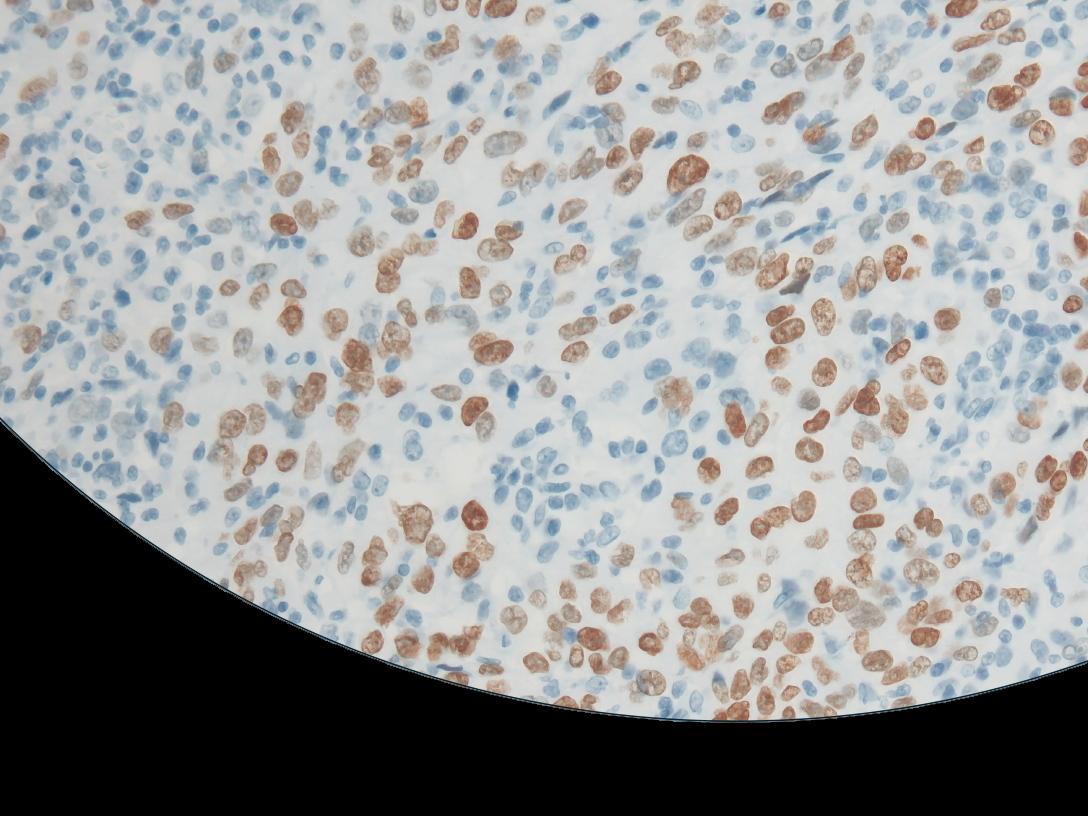
Image title: Understanding the potential contribution of germline pathogenic variants to lung cancer etiology
Image caption: Researchers identify BRCA2 likely germline pathogenic variants in patients with multiple primary lung adenocarcinomas which may serve as novel targets for therapeutic strategies in primary and multiple primary lung cancers.
Image credit: Prof. Motoshi Suzuki from Fujita Health University, Japan
Image source link: https://www.techscience.com/or/v34n6/67417
License type: CC BY 4.0
Usage restrictions: Credit must be given to the creator.
About Professor Motoshi Suzuki from Fujita Health University
Dr. Motoshi Suzuki is a Professor at the Department of Molecular Oncology, Fujita Health University, Japan. He has authored over 130 peer-reviewed publications, with research focusing on molecular oncology, lung cancer, tumor metastasis, lipid metabolism, and translational cancer therapeutics.
Funding information
The authors received the support from the Hori Science and Arts Foundation for this study.