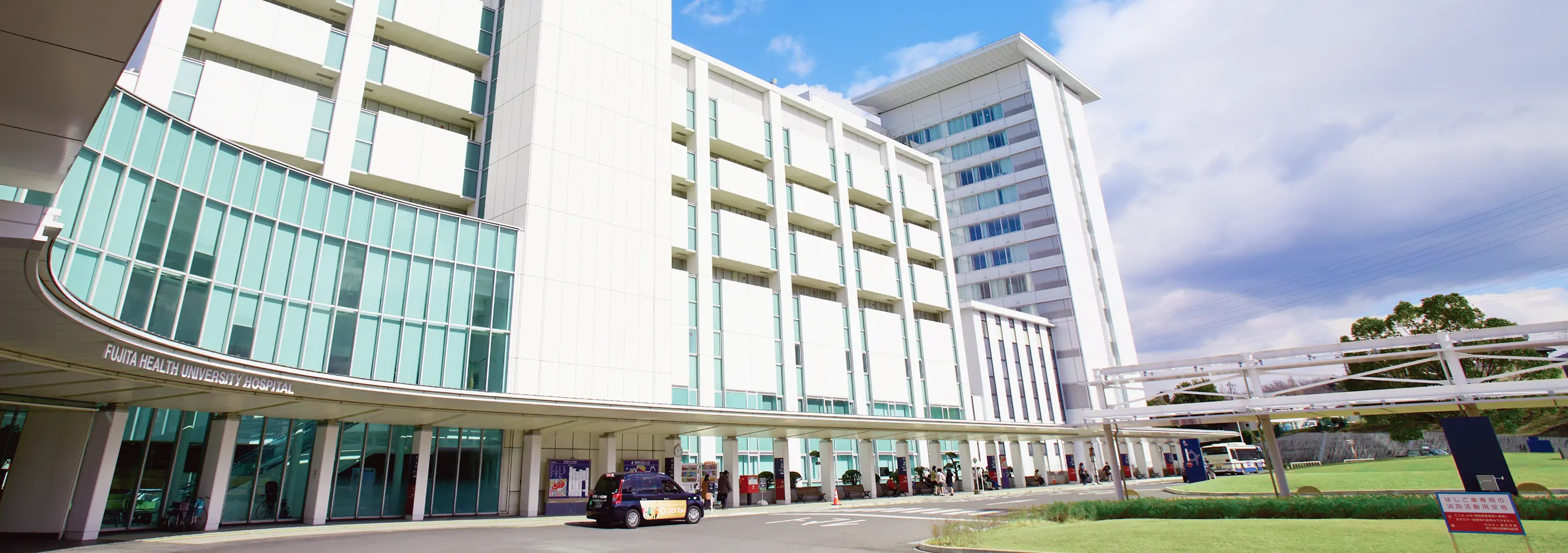
Nighttime Light May Disrupt Sleep in People with Schizophrenia
Researchers found that higher nighttime light exposure was linked to shorter, less efficient sleep and more nighttime wakefulness
Nighttime light exposure may worsen sleep in people with schizophrenia, according to a study of 225 outpatients. Researchers at Fujita Health University found that higher nighttime illuminance was linked to lower sleep efficiency and total sleep time, as well as longer time to fall asleep and more nighttime wakefulness. The associations were detected using objective sleep measurements, while patients’ self-reported sleep quality showed no significant relationship with nighttime light exposure during sleep.
Sleep problems are common in people with schizophrenia and can worsen quality of life, psychiatric symptoms, cognition, and daily functioning. Nighttime light is known to interfere with normal sleep and circadian rhythms in the general population, but its relationship with sleep in schizophrenia had not been examined using both objective and subjective measures. The new study provides the first evidence that greater nighttime light exposure is associated with poorer objectively measured sleep in outpatients with schizophrenia. The authors emphasize that the findings should be viewed as an association rather than proof of cause and effect, pending prospective intervention studies.
The researchers analyzed 225 adult outpatients with schizophrenia who took part in the Light Exposure and Neurobiology in Schizophrenia (LENS) study. Participants wore a wrist actigraphy device continuously for seven days to measure sleep and light exposure. A portable photometer placed beside the bed independently measured ambient nighttime illuminance, while a sleep diary recorded bedtime and rising time. Subjective sleep quality was assessed using the Pittsburgh Sleep Quality Index. The findings were made available online on June 23, 2026, and will be published in Volume 364 of the journal Psychiatry Research on October 01, 2026.
The study was led by Dr. Yuichi Esaki and Mr. Ryota Miyake, a student, together with Dr. Nakao Iwata and Dr. Tsuyoshi Kitajima from the Department of Psychiatry, Fujita Health University School of Medicine, Aichi, Japan, and Dr. Kiyoshi Fujita from the Department of Psychiatry, Okehazama Hospital, Aichi, Japan. Median nighttime illuminance was 1.4 lux by actigraphy and 4.1 lux by photometer. After accounting for factors including age, sex, smoking, body mass index, psychiatric symptoms, daytime light, sleep timing, day length, and medications, people in the highest nighttime-light group had 10% lower sleep efficiency, 55.6 minutes less total sleep, longer sleep onset, and 31 minutes more wakefulness after sleep onset than those in the lowest-light group. Higher blue-light exposure showed similar associations.
“Our findings suggest that even relatively low levels of nighttime light may be linked to measurable sleep disruption in people with schizophrenia,” said Mr. Miyake.
Importantly, the relationship was seen in objective sleep measures but not in the Pittsburgh Sleep Quality Index. This difference may indicate that some patients experience poorer sleep without fully recognizing it, or may reflect the different measurement periods: Subjective sleep was assessed over the previous month, whereas actigraphy and light exposure were measured prospectively for seven days.
The findings point to a potentially simple way to support sleep management. Reducing unnecessary light in bedrooms could provide a low-cost, nonpharmacological approach alongside existing treatment, although the cross-sectional design means the study cannot show that nighttime light causes poor sleep.
“Optimizing the nighttime light environment could become an important part of sleep hygiene if future longitudinal and intervention studies confirm these findings,” said Mr. Miyake.
Such research could eventually guide lighting practices in homes, hospitals, and residential facilities, potentially supporting healthier sleep and reducing the need for additional sedating medication. Future trials could test whether darker bedrooms improve sleep, symptoms, daytime functioning, and overall quality of life in this population. Overall, the study highlights nighttime light as a modifiable environmental factor that deserves greater attention in sleep care for people with schizophrenia.
Nighttime light exposure may worsen sleep in people with schizophrenia, according to a study of 225 outpatients. Researchers at Fujita Health University found that higher nighttime illuminance was linked to lower sleep efficiency and total sleep time, as well as longer time to fall asleep and more nighttime wakefulness. The associations were detected using objective sleep measurements, while patients’ self-reported sleep quality showed no significant relationship with nighttime light exposure during sleep.
Sleep problems are common in people with schizophrenia and can worsen quality of life, psychiatric symptoms, cognition, and daily functioning. Nighttime light is known to interfere with normal sleep and circadian rhythms in the general population, but its relationship with sleep in schizophrenia had not been examined using both objective and subjective measures. The new study provides the first evidence that greater nighttime light exposure is associated with poorer objectively measured sleep in outpatients with schizophrenia. The authors emphasize that the findings should be viewed as an association rather than proof of cause and effect, pending prospective intervention studies.
The researchers analyzed 225 adult outpatients with schizophrenia who took part in the Light Exposure and Neurobiology in Schizophrenia (LENS) study. Participants wore a wrist actigraphy device continuously for seven days to measure sleep and light exposure. A portable photometer placed beside the bed independently measured ambient nighttime illuminance, while a sleep diary recorded bedtime and rising time. Subjective sleep quality was assessed using the Pittsburgh Sleep Quality Index. The findings were made available online on June 23, 2026, and will be published in Volume 364 of the journal Psychiatry Research on October 01, 2026.
The study was led by Dr. Yuichi Esaki and Mr. Ryota Miyake, a student, together with Dr. Nakao Iwata and Dr. Tsuyoshi Kitajima from the Department of Psychiatry, Fujita Health University School of Medicine, Aichi, Japan, and Dr. Kiyoshi Fujita from the Department of Psychiatry, Okehazama Hospital, Aichi, Japan. Median nighttime illuminance was 1.4 lux by actigraphy and 4.1 lux by photometer. After accounting for factors including age, sex, smoking, body mass index, psychiatric symptoms, daytime light, sleep timing, day length, and medications, people in the highest nighttime-light group had 10% lower sleep efficiency, 55.6 minutes less total sleep, longer sleep onset, and 31 minutes more wakefulness after sleep onset than those in the lowest-light group. Higher blue-light exposure showed similar associations.
“Our findings suggest that even relatively low levels of nighttime light may be linked to measurable sleep disruption in people with schizophrenia,” said Mr. Miyake.
Importantly, the relationship was seen in objective sleep measures but not in the Pittsburgh Sleep Quality Index. This difference may indicate that some patients experience poorer sleep without fully recognizing it, or may reflect the different measurement periods: Subjective sleep was assessed over the previous month, whereas actigraphy and light exposure were measured prospectively for seven days.
The findings point to a potentially simple way to support sleep management. Reducing unnecessary light in bedrooms could provide a low-cost, nonpharmacological approach alongside existing treatment, although the cross-sectional design means the study cannot show that nighttime light causes poor sleep.
“Optimizing the nighttime light environment could become an important part of sleep hygiene if future longitudinal and intervention studies confirm these findings,” said Mr. Miyake.
Such research could eventually guide lighting practices in homes, hospitals, and residential facilities, potentially supporting healthier sleep and reducing the need for additional sedating medication. Future trials could test whether darker bedrooms improve sleep, symptoms, daytime functioning, and overall quality of life in this population. Overall, the study highlights nighttime light as a modifiable environmental factor that deserves greater attention in sleep care for people with schizophrenia.
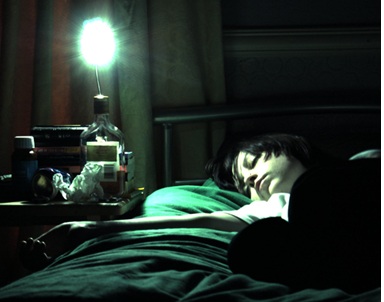
Image title: Nighttime Light and Sleep in Schizophrenia
Image caption: Higher nighttime light exposure was linked to poorer objectively measured sleep, including lower sleep efficiency and shorter sleep duration.
Image credit: Lala Photography at JoLi Studios Colchester from Openverse
Image Source link: https://openverse.org/image/a1609af9-b963-469d-ba06-d843d071f180?q=sleep+disturbance&p=26
License type: CC BY-SA 2.0
Usage restrictions: Credit must be given to the creator. Adaptations must be shared under the same terms
Reference
Title of original paper:
Light exposure at night and subjective and objective sleep parameters in patients with schizophrenia: A cross-sectional analysis of the LENS studyJournal:
Psychiatry ResearchDOI:
10.1016/j.psychres.2026.117302About Mr. Ryota Miyake from Fujita Health University
Mr. Ryota Miyake is a medical researcher and student affiliated with the Department of Psychiatry at Fujita Health University School of Medicine in Toyoake, Aichi, Japan. His research focuses on sleep quality, environmental influences on sleep, and objective sleep assessment in psychiatric populations. He has contributed to clinical research examining the relationship between nighttime light exposure and sleep quality in psychiatric outpatients, including patients with schizophrenia. His work includes evaluating actigraphy-measured sleep parameters, sleep efficiency, and environmental factors that may influence sleep. Through this research, Miyake contributes to understanding modifiable factors that could support better sleep management and clinical care.
Funding information
This work was supported by Scientific Research funding from JSPS KAKENHI (grant number: 24K10721) and Takeda Science Foundation.